


The Valens Clinic
Helping a Premium Clinic Own AI Search Recommendations
From hidden gem to trusted name in AI-assisted healthcare discovery
Overview
The Valens Clinic offers specialist medical and aesthetic treatments in a premium, patient-first environment. Even with excellent outcomes and facilities, they were missing from the new places patients now begin their care journey — AI assistants like ChatGPT, Perplexity, and Google AI Overview. They partnered with Liplyn Information Group to close that visibility gap and become the clinic AI systems confidently recommend.
The Challenge
Patients increasingly ask AI assistants for clinic recommendations instead of typing traditional search queries. The Valens Clinic had strong local credibility but lacked the structured online presence, entity signals, and authoritative citations that AI models use to choose which providers to mention. They were effectively invisible in the fastest-growing patient discovery channel.
Our Solution
We implemented a healthcare-focused GEO program for The Valens Clinic: structuring treatment and condition content so AI models can clearly understand their expertise, earning trusted citations from health and lifestyle publications, optimizing their knowledge graph presence, and aligning their website with the natural-language questions patients ask AI assistants.
The Results
The Valens Clinic now appears in AI assistant responses when prospective patients ask about relevant treatments and specialist care. Their organic visibility for high-intent condition queries improved significantly, and the clinic reports a growing share of inquiries from patients who say they were referred by an AI search result or assistant recommendation.
Why AI search matters for private clinics
Patients researching a treatment no longer start with a list of ten blue links. They ask ChatGPT, Perplexity or Google AI Overview which clinic is best for their situation, what a procedure costs, and what recovery looks like. Those assistants answer with a short, curated shortlist — and if a clinic is not part of the underlying data, it is simply never mentioned. For The Valens Clinic, that meant excellent medical outcomes were invisible at the exact moment a patient decided where to go.
Building the entity foundation
We started by making the clinic machine-readable. Every treatment received its own structured page with MedicalProcedure and FAQPage schema, linked to the practitioners performing it and the conditions it treats. Practitioner profiles were connected to verifiable registrations and publications, so language models can recognise real medical expertise. Name, address, specialisms and opening hours were made consistent across the website, maps, healthcare directories and review platforms — inconsistency is one of the fastest ways to lose an AI citation.
Answer-first content for real patient questions
Using query mining across AI assistants and search data, we mapped the questions patients actually ask before booking: suitability, risks, recovery time, cost ranges and alternatives. Each page opens with a direct, quotable answer of two to three sentences, followed by clinical depth, and is reviewed by a named practitioner. That format is exactly what generative engines extract and cite, and it doubles as reassuring content for patients who arrive from a traditional search result.
Authority and citations
Language models weigh independent sources more heavily than a brand's own website. We built a digital PR programme around genuine clinical expertise: expert commentary in health and lifestyle media, contributions to condition-specific resources, and accurate profiles in medical directories. Over the programme the clinic earned more than forty relevant citations, which is what moved it from occasionally mentioned to consistently recommended.
Measuring AI visibility
We track a fixed set of high-intent prompts across ChatGPT, Perplexity, Gemini and Google AI Overview every month, scoring whether the clinic is mentioned, in which position, and with which source attached. Combined with intake forms that ask new patients how they found the clinic, this gives a defensible link between AI visibility work and booked consultations — the same reporting model we use in every GEO programme.
Frequently asked questions
How long does it take before a clinic appears in AI search results?
First mentions typically appear within eight to twelve weeks after the entity and schema foundation is live. Consistent, top-of-list recommendations followed around month five for The Valens Clinic, once independent citations had accumulated.
Is GEO different from traditional SEO for healthcare?
They overlap but are not the same. SEO optimises for ranking a page; GEO optimises for being quoted inside an answer. That requires structured entity data, verifiable practitioner expertise and quotable answer blocks, on top of solid technical SEO.
Is medical content in AI search compliant?
Yes, when it is handled carefully. All clinical claims were reviewed by a qualified practitioner, no outcome guarantees were made, and patient stories were only used with explicit consent. Compliance also helps visibility: assistants prefer sources with clear authorship and review.
Can this approach work for other clinics and practices?
The method transfers to any specialist care provider with genuine expertise: dental, dermatology, fertility, orthopaedics and hospital departments. The work is in structuring that expertise so AI systems can verify and reuse it.
Gallery
"Liplyn Information Group helped us understand that the future of patient discovery is AI-driven. Now, when people ask an assistant where to go for our treatments, The Valens Clinic is part of the conversation. That visibility is invaluable."
Related Case Studies
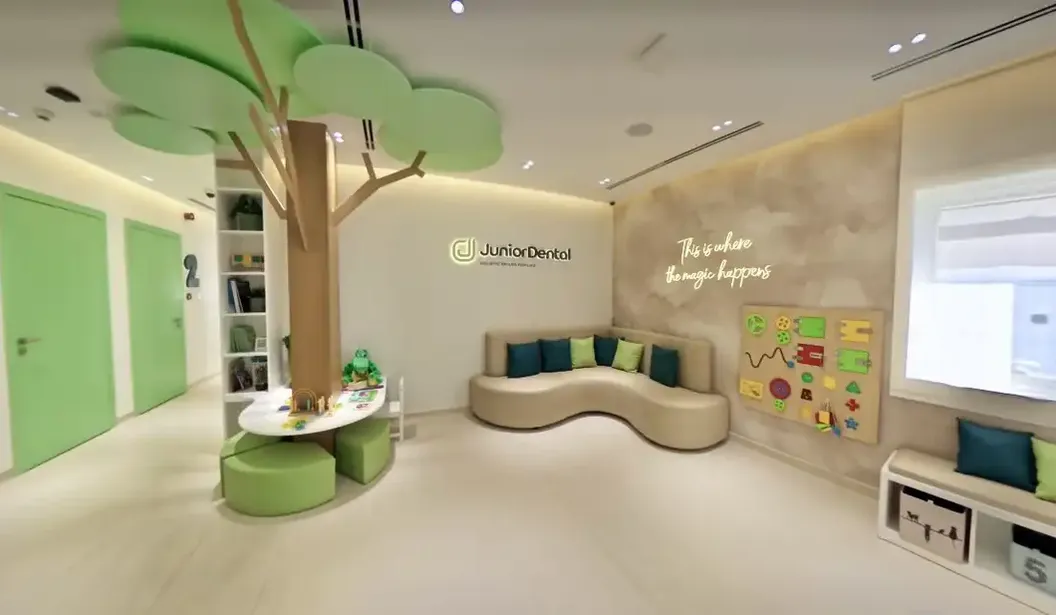
From 'Just Another Clinic' to Household Name
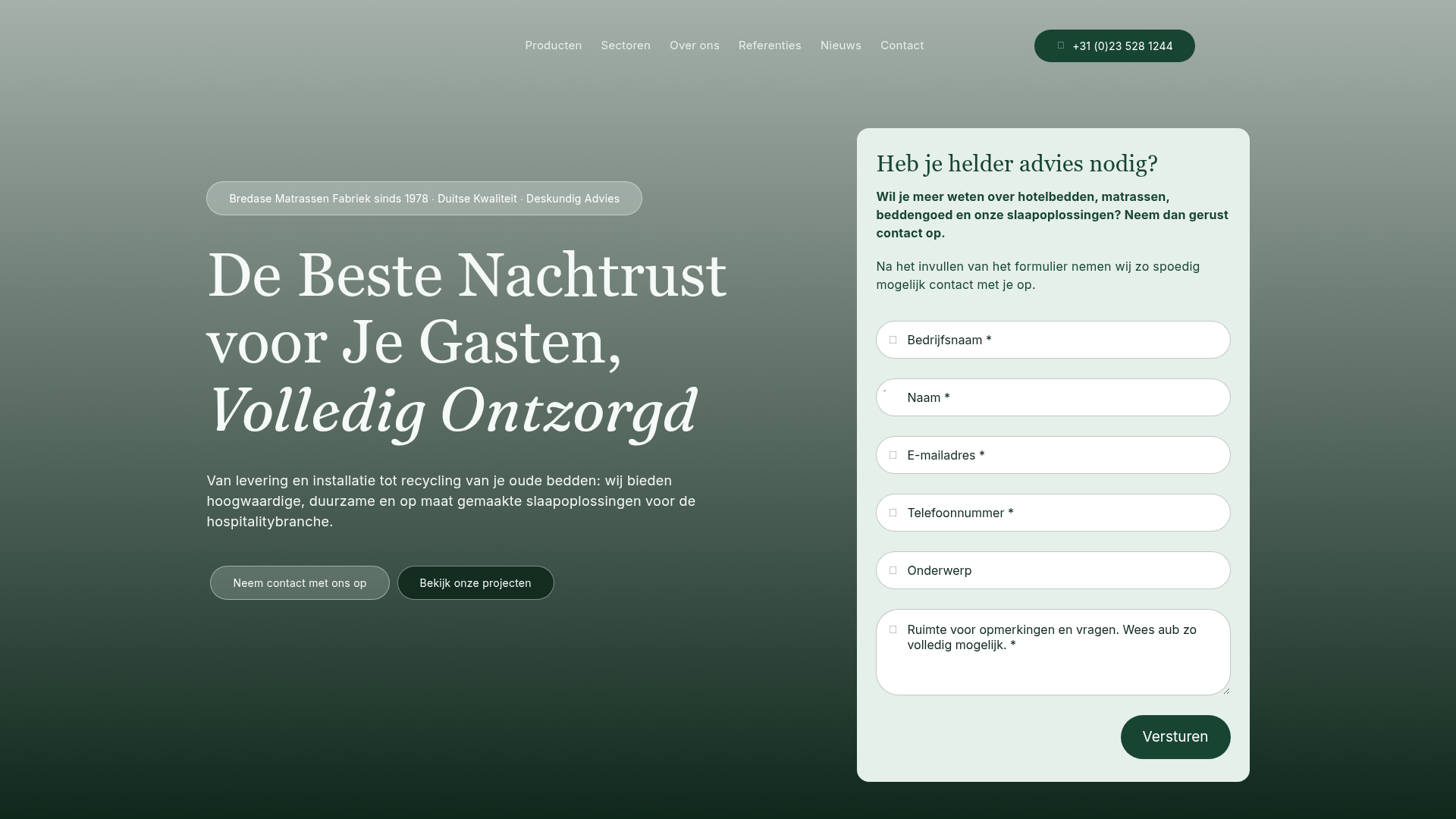
AI Visibility for a B2B Hotel Bedding Manufacturer
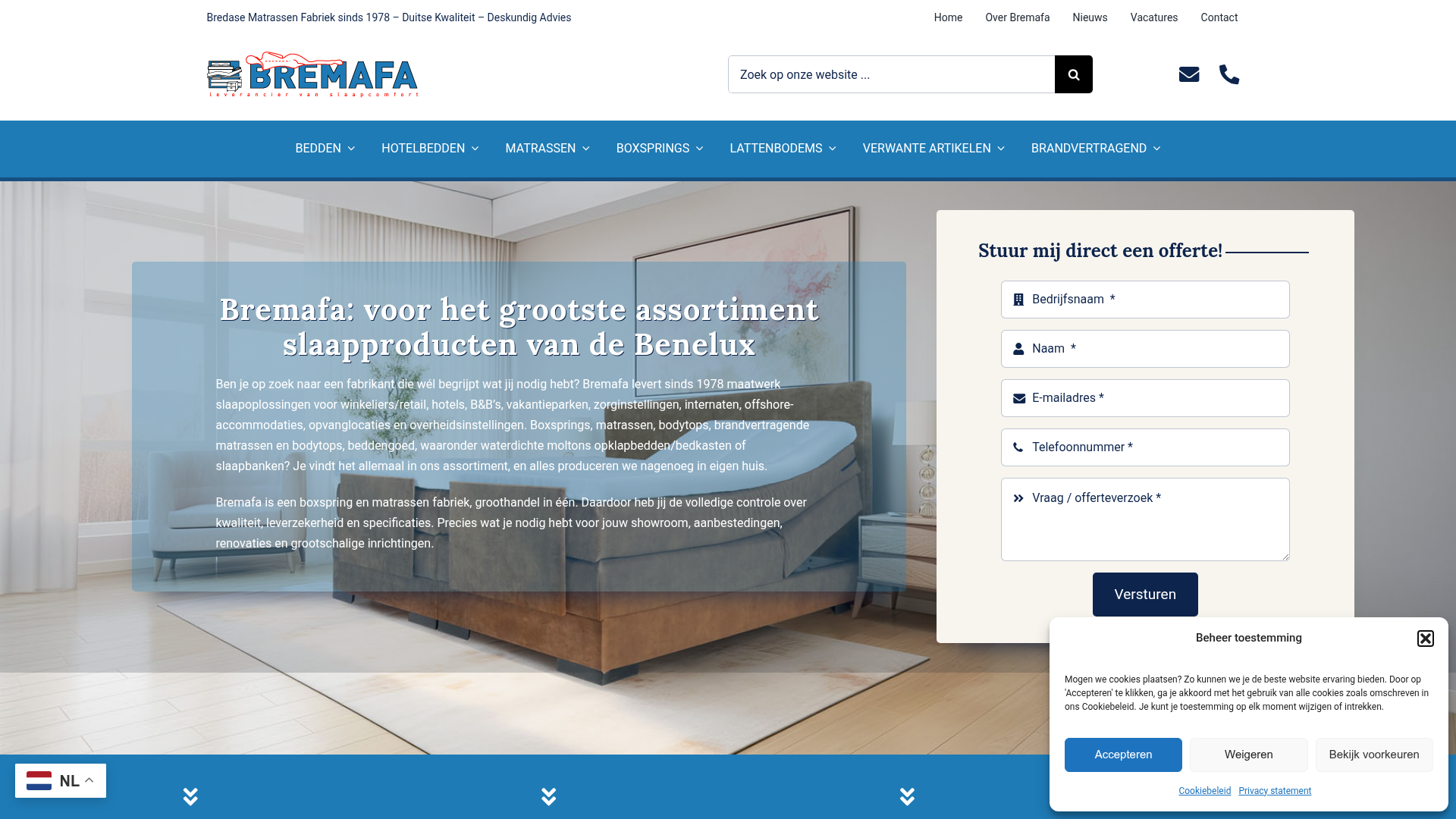
From Hidden Manufacturer to Sought-After Wholesale Partner
Ready to Achieve Similar Results?
Let's discuss how we can grow your brand.